
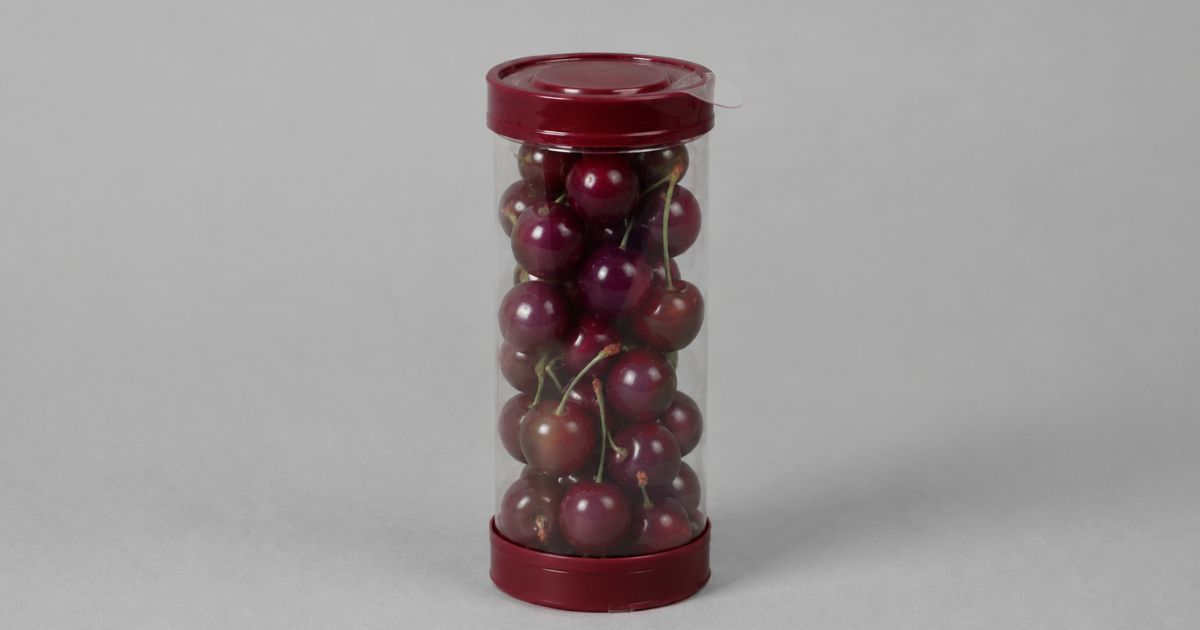
Mumbai-based Globe Print n Pack launches recycled tube packaging for specialty fruit export market
The packaging is manufactured using food-safe RPET containing 70% recycled content, offering high clarity for product visibility while remaining lightweight at approximately 11g.

INDIA – Globe Print n Pack Industries has launched a thermoformed tube packaging format for blueberries and specialty produce, manufactured locally in Mumbai using 70% recycled PET content and flat-shipped to reduce logistics costs for Indian growers and exporters.
The project originated from a Spanish blueberry importer’s request for a custom-manufactured tube packaging solution that could be supplied flat-shipped.
The 250g capacity tube consists of a clear recycled PET sleeve with thermoformed top and bottom caps, incorporating six ventilation holes to promote airflow and maintain freshness throughout the supply chain.
Rahul Gupta, Chairman of Globe Print n Pack, stated that while tube packaging is already widely used internationally for premium produce programmes, the company saw an opportunity to localize production and offer a format that reduces storage and logistics costs before assembly.
How 70% Recycled Content and Flat-Shipped Design Reduce Logistics and Storage Costs
The packaging is manufactured using food-safe RPET containing 70% recycled content, offering high clarity for product visibility while remaining lightweight at approximately 11g.
Custom printed sleeves and transparent or custom-coloured caps can be incorporated to support branding requirements.
The tube provides sufficient rigidity to protect delicate fruit during transport and display, while the packaging is produced in a facility powered entirely by solar energy.
Since its first commercialization in February 2025, additional container shipments have followed, with enquiries expanding beyond Europe to berry-producing countries such as Peru and Chile.
What Local Manufacturing Means for Indian Growers, Exporters and Quick-Commerce Channels
Gupta believes local manufacturing offers several advantages compared with imported alternatives, including shorter lead times, lower freight costs, greater flexibility in customization, and faster development cycles.
Indian growers and exporters can now access an internationally recognised packaging format without many of the costs and delays associated with importing packaging.
While the format was initially developed for blueberries, the company sees applications across cherry tomatoes, cherries, premium berries, apples, exotic fruits, and snack fruits.
Gupta noted that any category where visibility, product protection, and presentation influence purchasing decisions is a potential fit for the format.
He also sees growing opportunities within India as organized retail, modern trade, and quick-commerce channels continue to expand, with retailers and produce brands increasingly looking for ways to differentiate themselves and improve product presentation.
Publication date: